Wondering whether a condo or a house makes more sense for your next move in Melbourne? You are not alone. In this part of Brevard County, that choice often comes down to more than square footage. It can also mean deciding between beachside convenience and inland space, shared responsibilities and personal control, or simpler upkeep and more flexibility. If you are weighing both options, this guide will help you sort through the tradeoffs that matter most in Melbourne. Let’s dive in.
Why This Choice Matters in Melbourne
Melbourne has a unique layout that shapes how people shop for homes. The city includes both a large mainland area and a barrier-island portion separated by the Indian River Lagoon. That means buyers are often comparing two different ways of living, not just two property types.
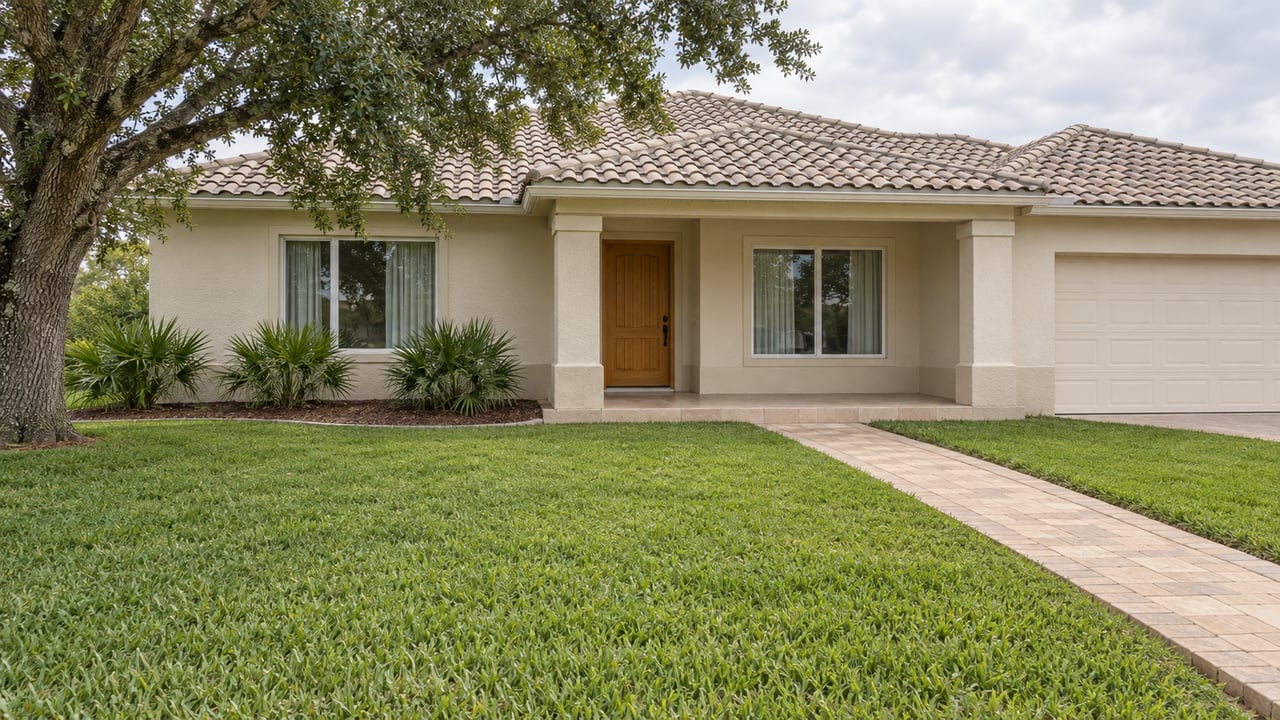
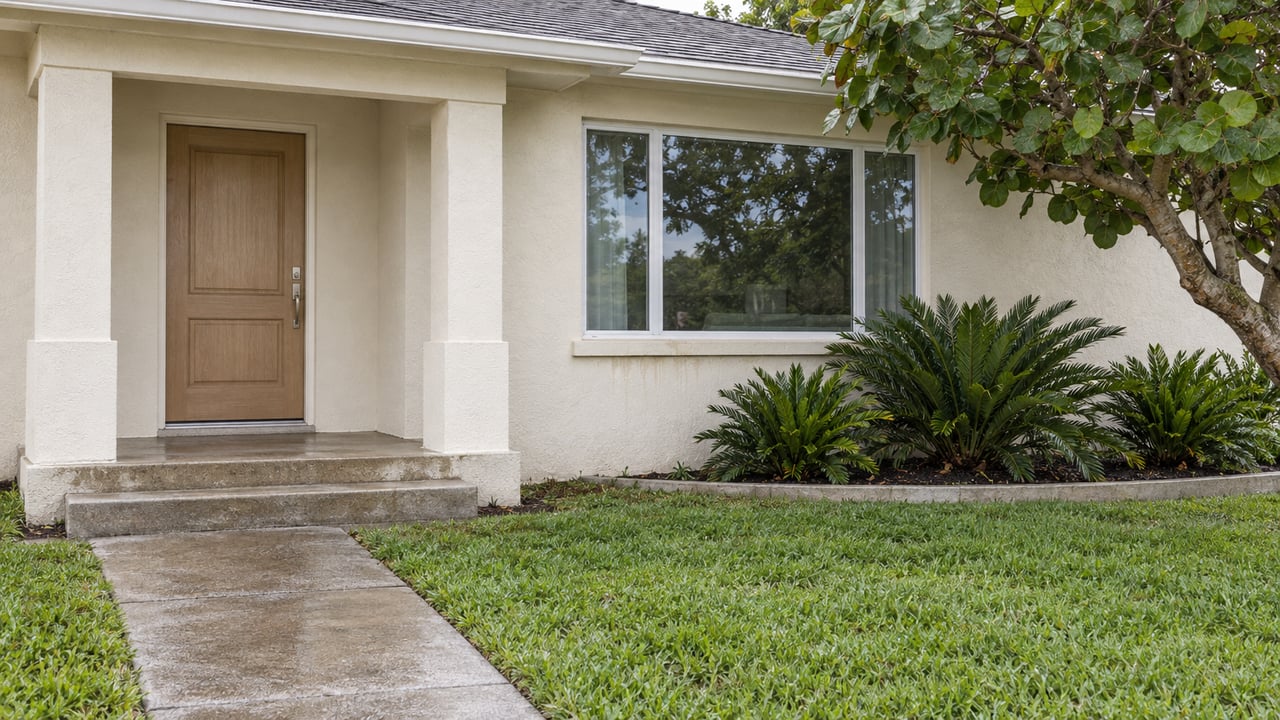
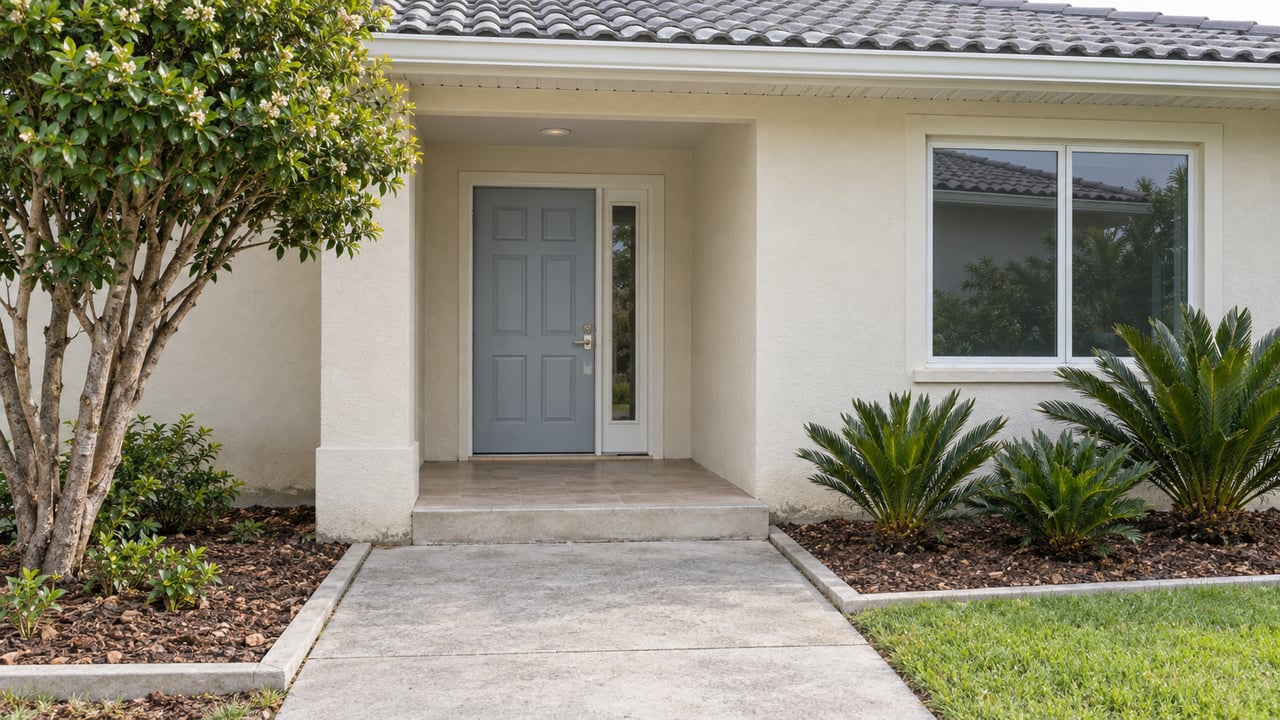
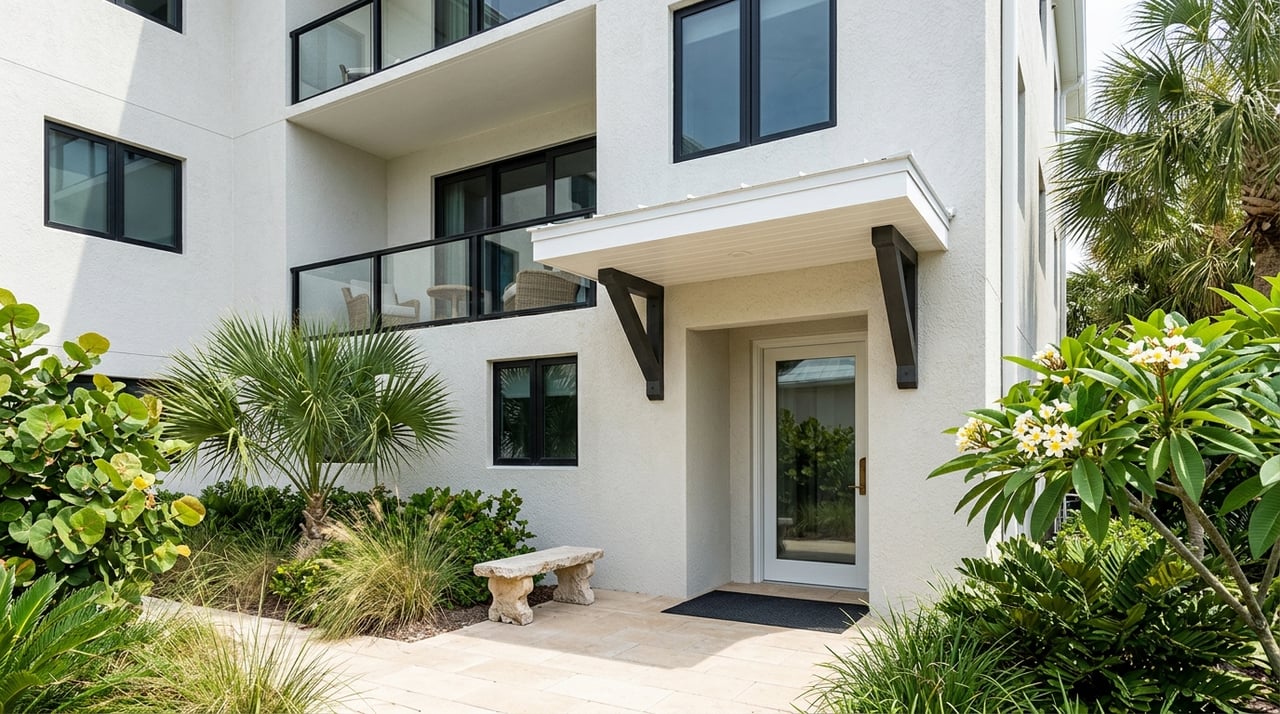
For some buyers, a condo may offer the appeal of beachside access, shared amenities, and less day-to-day exterior maintenance. For others, a single-family house may offer more room, more privacy, and more control over the property. In Melbourne, the right fit usually depends on how you want to live and how much responsibility you want to take on directly.
Local conditions also matter. The City of Melbourne notes that flooding is one of Florida’s most frequent hazards, and flood exposure can come from storm surge, river flooding, or heavy rainfall. That makes location, elevation, and insurance part of the condo-versus-house conversation from the start.
Melbourne Market Snapshot
If you are trying to time a purchase, it helps to know that Melbourne has recently been described as a relatively balanced market. Zillow reported an average home value of $356,354 and about 40 days to pending as of March 31, 2026. Realtor.com described Melbourne as balanced in May 2026, with a median listing price near $399,900 and a median time on market of 59 days.
Those numbers do not answer the condo-or-house question by themselves, but they do give useful context. In a balanced market, your decision can stay focused on fit, cost structure, and long-term comfort instead of feeling rushed by extreme conditions.
What Condo Ownership Means
Shared Maintenance Structure
In a Florida condominium, the association is responsible for maintaining common elements, except for limited common elements assigned to the unit owner by the condo documents. The association can also collect assessments and handle maintenance, repair, and replacement of common elements or association property.
That structure is a big reason many buyers choose condos. You may not have to manage every exterior issue yourself, and many shared systems are handled at the association level. If you want more of a lock-and-leave setup, that can be a major advantage.
Access to Shared Amenities
Florida law provides that common areas, common elements, and recreational facilities serving a condominium must be available to unit owners and their invited guests for the intended use, subject to reasonable rules. In practical terms, that is the framework behind features like pools, clubhouses, fitness rooms, and other shared spaces.
For many Melbourne buyers, that kind of setup supports an easy coastal lifestyle. You gain access to amenities without taking on sole responsibility for maintaining them. The tradeoff is that those spaces are shared and governed by association rules.
Condo Costs to Watch Closely
Condo ownership can feel simpler on the surface, but it comes with its own financial moving parts. Condo common expenses include operation, maintenance, repair, replacement, or protection of common elements and association property. Unit owners are also responsible for assessments, including special assessments when approved under the condominium documents.
That is why monthly dues should never be treated as a side note. When you compare condos in Melbourne, it is important to look at both the current monthly cost and the overall financial health of the association.
Why Condo Due Diligence Matters More Now
Florida now requires deeper building-health review for many condominium buildings. Residential condominium associations must complete a structural integrity reserve study at least every 10 years for each building that is three habitable stories or higher. The study covers major components such as the roof, structure, fireproofing and fire protection systems, plumbing, electrical systems, waterproofing and exterior painting, windows and exterior doors, plus other significant deferred-maintenance items above the statutory threshold.
For associations that existed on or before July 1, 2022, the law set a December 31, 2025 deadline, with a limited extension tied to milestone-inspection timing. In coastal areas, local enforcement agencies may require milestone inspections at 25 years when proximity to salt water justifies it.
This matters in Melbourne because the city includes both mainland and barrier-island areas. A condo’s age, coastal exposure, and location can all affect how much review you should do before you buy. Two condos at similar price points may carry very different long-term maintenance and assessment risk.
Condo Insurance and Documents
If you buy a condo in Florida, you will generally need an HO-6 policy. Florida consumer guidance explains that this policy covers personal property and certain building items not covered by the association’s master policy. Florida law also prevents the master policy from covering several interior items, including floor coverings, appliances, built-in cabinets, and window treatments.
The same guidance notes that condo associations may assess owners for damage to commonly owned areas that is not covered or not fully reserved. HO-6 policies must include at least $2,000 of loss-assessment coverage. Florida condo sale contracts also include a flood warning because homeowners policies do not cover flood damage.
You also have the right to review key condo documents before closing. A prospective buyer is entitled to important records such as the declaration, bylaws, rules, annual financial statement and budget, milestone-inspection summary if applicable, the most recent structural integrity reserve study or notice that none has been completed, and the FAQ document. These records can tell you a lot about how the building is run and what costs may be ahead.
What House Ownership Means
More Direct Control
A detached house usually gives you more direct control over the structure and the lot. Florida’s homeowners insurance overview explains that the standard policy for an owner-occupied single-family home is HO-3, which covers the structure for all perils except those specifically excluded.
In practical terms, that reflects a different ownership setup than a condo. Instead of relying on an association to maintain shared structural elements, you are usually taking on primary responsibility for the dwelling itself.
More Direct Responsibility
That added control comes with more hands-on responsibility. In Melbourne, house owners typically need to think more directly about roof condition, exterior upkeep, drainage, yard care, and storm preparation.
This matters more in a coastal Florida setting than it might in some inland markets. The City of Melbourne advises buyers to check flood risk by address, and FEMA notes that flood insurance requirements apply in mapped Special Flood Hazard Areas.
HOA Rules Can Still Apply
A house does not always mean total freedom from association rules. Many Melbourne homes are in HOA communities. Florida requires a disclosure summary before a buyer signs a contract, and the statute warns that buyers will be obligated to join the HOA, follow recorded covenants, and pay assessments.
Florida law also requires members and associations to comply with the governing documents, and associations may levy fines or suspend common-area use rights after the required notice and hearing procedures, or for delinquent obligations. So while a detached home often gives you more flexibility than a condo, the real answer depends on the exact HOA documents for that property.
Condo vs House in Melbourne
If you are still deciding, this simple side-by-side view can help clarify the tradeoffs.
| Factor | Condo | House |
|---|---|---|
| Exterior maintenance | More is handled through the association for common elements | Usually handled directly by you |
| Monthly costs | Often includes dues and possible assessments | Often fewer shared dues, but more direct repair costs |
| Amenities | May include shared amenities subject to rules | Varies by property or HOA |
| Control | More shared decision-making and rules | More direct control, subject to HOA if applicable |
| Insurance setup | Typically unit policy plus association master policy | Typically HO-3 for the full dwelling |
| Due diligence | Review budget, reserves, studies, inspections, and rules | Review insurance needs, flood risk, condition, and HOA rules if any |
Which Buyers Often Prefer a Condo
A condo may be a better fit if you want:
- Less day-to-day responsibility for shared systems and exterior components
- A lock-and-leave lifestyle
- Access to shared amenities
- A setup where some property responsibilities are handled through the association
- A property choice that aligns with beachside or lower-maintenance living
A condo can be especially appealing if your main goal is simplicity. Just make sure you are equally comfortable with dues, shared rules, reserve funding, and the possibility of special assessments.
Which Buyers Often Prefer a House
A house may be a better fit if you want:
- More direct control over the structure and lot
- More flexibility with outdoor space and exterior decisions
- A more straightforward dwelling insurance structure
- Fewer shared decisions about building maintenance
- The ability to handle upkeep and storm planning more directly
For many buyers, a house works best when control matters more than convenience. That can be a great fit in Melbourne, especially if you want more room or a layout that supports your long-term plans.
Questions to Ask Before You Choose
Before you decide between a condo and a house in Melbourne, ask yourself:
- How much of your monthly housing cost do you want in dues versus direct repairs?
- Are you comfortable reviewing association budgets, reserves, and inspection reports?
- Do the written association rules fit how you want to use the property?
- Is the home in a flood-prone or coastal area?
- What insurance will likely be required?
- Are you looking for simplicity, control, or a mix of both?
These questions can quickly narrow your search. They also help you focus on the total ownership experience, not just the list price.
The Bottom Line for Your Next Move
In Melbourne, the condo-versus-house decision is rarely about which option is universally better. It is usually about how much maintenance, rule-following, amenity access, and coastal-weather risk you want to outsource versus manage yourself.
The best choice comes from looking closely at the exact property, not just the property type. That means reviewing association documents, understanding the insurance setup, checking flood exposure, and paying attention to inspection and reserve history when a condo is involved.
If you want clear guidance as you compare homes across Melbourne and the rest of Brevard County, Amanda Gonnella can help you weigh the real-life tradeoffs and move forward with confidence.
FAQs
What is the main difference between buying a condo and buying a house in Melbourne?
- In Melbourne, a condo usually means shared maintenance, shared amenities, and association rules, while a house usually means more direct control of the property and more direct responsibility for upkeep.
Are condo fees in Melbourne worth it for buyers?
- Condo fees can be worth it if you value shared maintenance and amenities, but you should also review the association budget, reserves, and the possibility of special assessments before you buy.
Do Melbourne condo buyers need their own insurance policy?
- Yes. Florida consumer guidance says condo unit owners generally need an HO-6 policy for personal property and certain interior items not covered by the association’s master policy.
Can a house in Melbourne still have HOA rules?
- Yes. Many houses in Melbourne are in HOA communities, and buyers may be required to join the HOA, follow recorded covenants, and pay assessments.
Why does flood risk matter when choosing a Melbourne condo or house?
- Flood risk matters because Melbourne’s coastal setting can bring storm surge, river flooding, and heavy rainfall, which can affect insurance needs, property risk, and your overall ownership costs.
What condo documents should buyers review in Melbourne before closing?
- Buyers should review key condo documents such as the declaration, bylaws, rules, annual financial statement and budget, milestone-inspection summary if applicable, and the most recent structural integrity reserve study or notice that none has been completed.