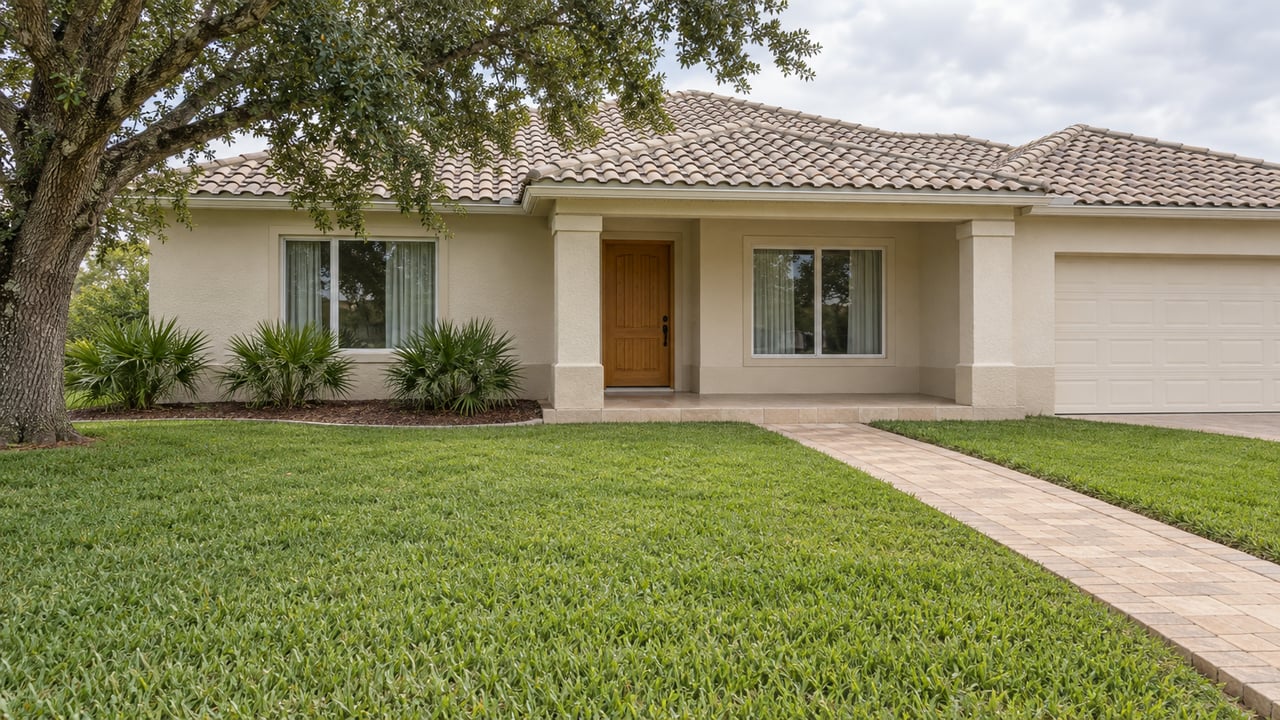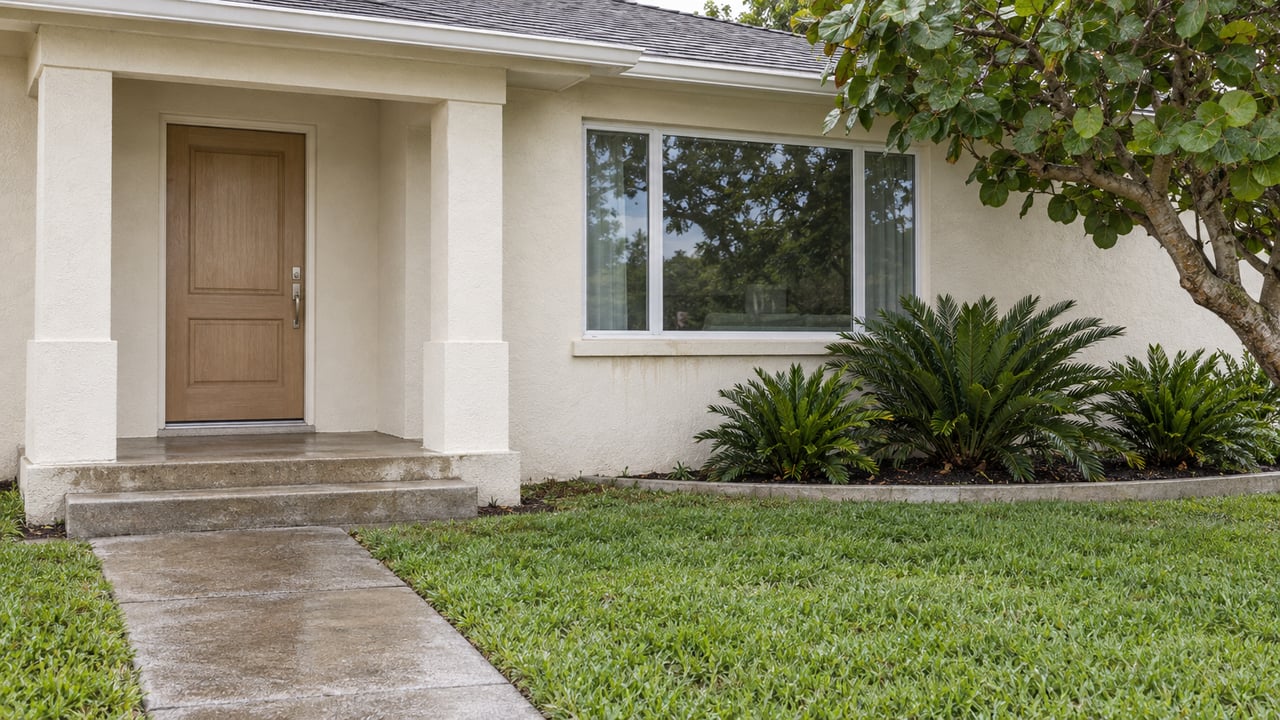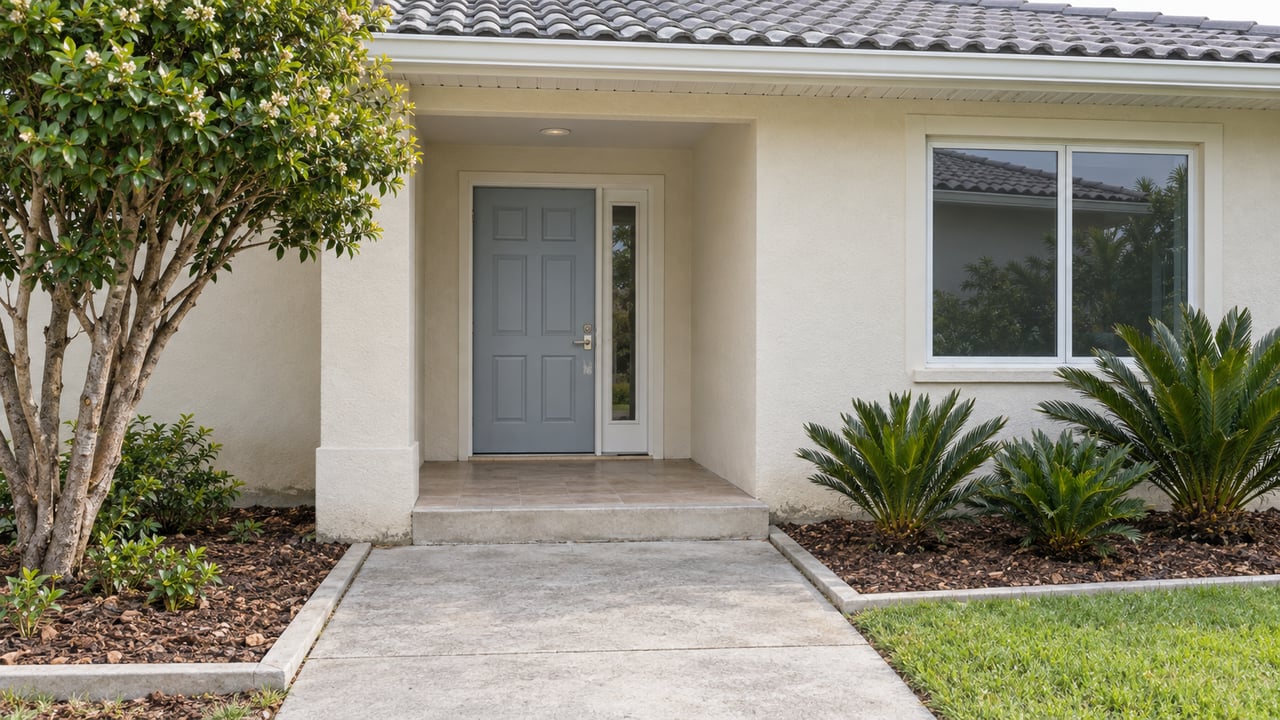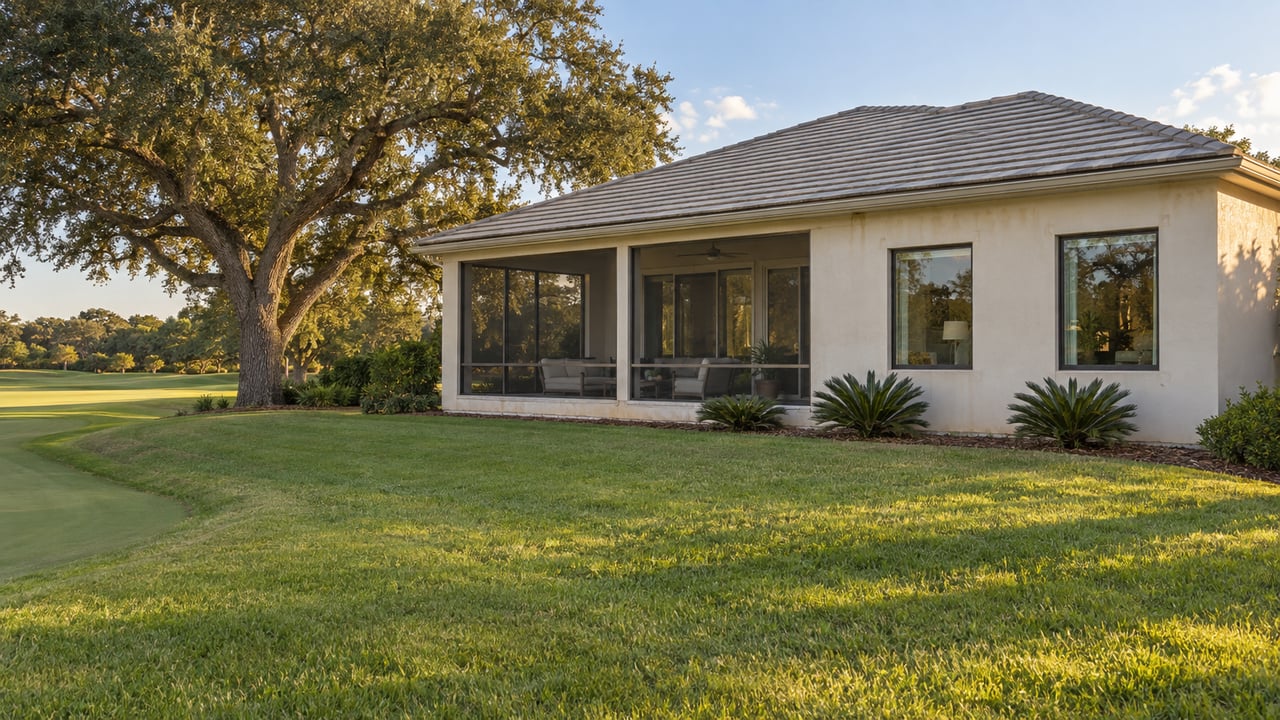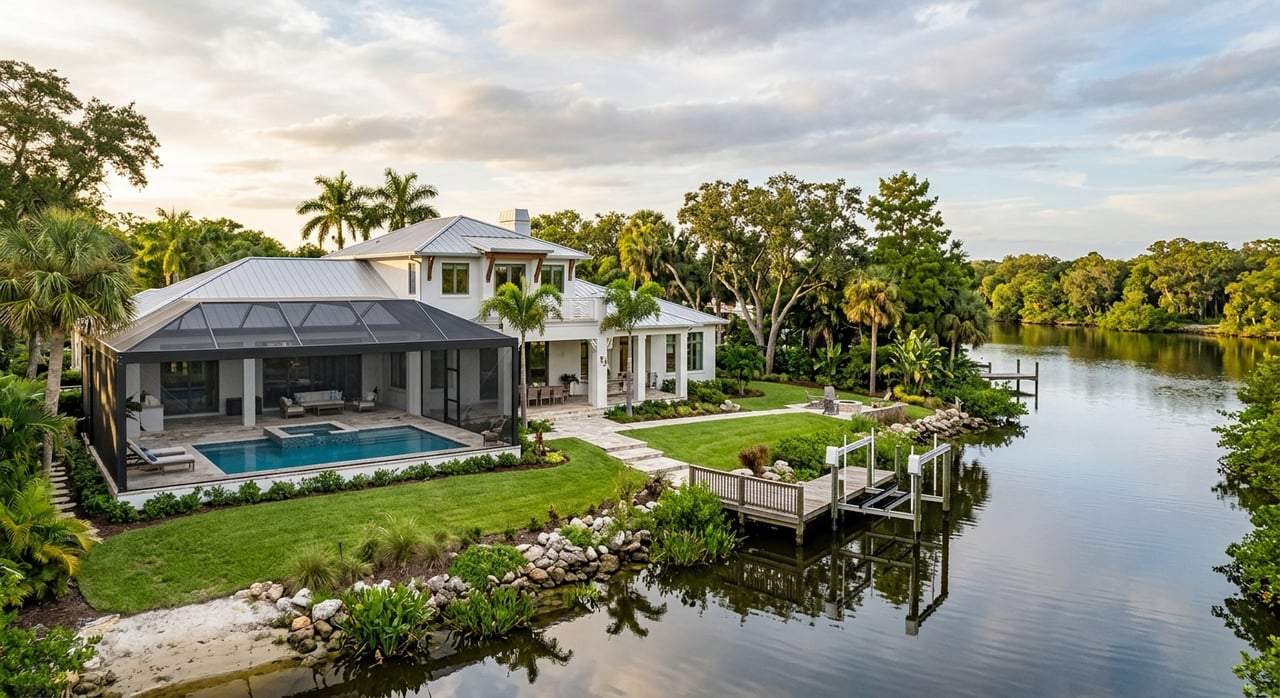
Looking for room to spread out without feeling far removed from the water? Lake Washington offers a version of Brevard County living that feels quieter, more spacious, and more tucked away than many traditional subdivisions. If you are considering this area, it helps to understand not just the lifestyle appeal, but also the property details that can shape your budget and plans. Let’s dive in.
Why Lake Washington Feels Different
Lake Washington sits within Brevard County’s Lake Washington Area ordinance territory for certain unincorporated properties near the lake, west of I-95, and within the St. Johns River floodplain. According to the county, these extra standards exist because the area is near a primary drinking-water supply for Central and South Brevard. In practical terms, that helps explain why the area often feels lower intensity and more tucked away.
For you as a buyer, that means Lake Washington is not just about scenic surroundings. It is also an area where land use, drainage, and environmental protections can play a bigger role in how a property is used and maintained. That extra layer of oversight is part of what gives the area its distinctive character.
Space Is a Big Part of the Appeal
One of the biggest draws in Lake Washington is the lot pattern. Brevard County zoning districts in and around this area can include AU, ARR, and SEU, each of which supports a more spacious residential feel than you might find in a denser neighborhood.
AU zoning allows single-family detached homes along with agricultural pursuits, while AU(L) is a lower-intensity version that fits smaller lots with a more residential character. ARR is intended for large-lot residential development with a rural character, typically where lot sizes are one acre or greater. SEU is for single-family residential development of spacious character.
That combination makes Lake Washington especially appealing if you are drawn to estate-style homes, acreage parcels, or a property with a little more breathing room. Depending on the parcel and approvals, some properties may also support agricultural-residential uses. The key is that every parcel needs to be reviewed on its own terms.
Parcel Details Matter Here
In lower-density areas, the shape and access of a lot can be just as important as its size. Brevard County has processes for flag lots and easement-by-access approvals, and its variance process can apply to setbacks, lot size, and dimensions.
If you are buying in Lake Washington, it is smart to verify a few basics early:
- Road frontage
- Recorded easements
- Driveway access and maintenance responsibility
- Setback limitations
- Whether additions or future improvements may need county review
A lot can look flexible at first glance, but the practical use of that land may depend on county rules and existing approvals.
Water Access Adds Real Lifestyle Value
Lake Washington is not just a pretty backdrop. Lake Washington Park is a 25.96-acre county park on the lake with a two-lane freshwater boat ramp, an airboat launch area, a 120-foot fishing pier, trailer parking, and picnic facilities.
The county also notes that Lake Washington provides access to the St. Johns River. That means the water connection here is functional, not just visual. If you enjoy boating, fishing, or spending time outdoors, that access can be a meaningful part of daily life.
A Quiet Setting With Outdoor Use
For many buyers, Lake Washington offers a balance that is hard to find. You can have larger lots and a more private setting while still being connected to waterfront recreation. That blend of space and access is a big reason this area stands out within Brevard County.
It also means your property search should go beyond square footage and finishes. In Lake Washington, the surrounding land, access points, and outdoor potential are often part of the value story.
Environmental Rules Are Part of Ownership
Because Lake Washington is tied to a protected water resource, environmental considerations are more than background information. Brevard County says stormwater runoff is the number one threat to waterways, and it notes that the St. Johns River supplies drinking water to surrounding areas through Lake Washington.
For homeowners, this makes routine property decisions more important. Lawn care, drainage, septic condition, and vegetation management can have more significance here than they might in a typical subdivision lot.
County environmental rules also address surface-water protection, floodplain protection, land clearing and tree protection, and private lakes. If you are thinking about drainage changes, shoreline-adjacent work, pond construction, or heavier clearing, those plans may face more regulation than expected.
What This Means for Buyers
This does not mean Lake Washington is difficult to buy into. It means good due diligence matters. If you love the idea of space and flexibility, you will want to confirm what is actually allowed before you close.
A thoughtful review can help you avoid surprises later, especially if you plan to expand the home, add outbuildings, clear land, or adjust drainage patterns.
Utilities and Septic Need a Closer Look
Lake Washington buyers should not assume that utility service will match what they are used to in more urbanized neighborhoods. Brevard County says it provides sanitary sewer countywide but water service only to Mims and San Sebastian Woods. That makes a parcel-specific utility check especially important in this area.
Some homes may rely on well and septic systems rather than municipal connections. If septic is involved, Brevard County and the Florida Department of Health maintain septic records and mapping resources, and county permit pages require septic approval documentation when applicable.
For new homes or additions, plan sets may also need to show drainage, easements, and flood-zone information. In other words, utility setup is not something to gloss over during the buying process.
Smart Utility Questions to Ask
As you evaluate a property, ask:
- Is the home on well, septic, sewer, or another setup?
- Are septic records available?
- Are there known drainage considerations on the site?
- Will future additions require septic or site-plan review?
- Are there easements that affect utility placement or expansion?
These answers can affect both your monthly costs and your long-term plans for the property.
Flood Review Should Happen Early
Because parts of the Lake Washington area are tied to the St. Johns River floodplain, flood-zone review should be part of your offer-stage due diligence. FEMA’s Flood Map Service Center is the official place to check flood maps, and FEMA also notes that most homeowners insurance does not cover flood damage.
That matters for both budgeting and peace of mind. A flood-zone designation can influence insurance needs, lender requirements, and how you think about future improvements.
The main takeaway is simple: do not wait until late in the transaction to ask flood questions. In Lake Washington, this is one of the first items to review.
How to Think About Budget in Lake Washington
Lake Washington pricing can vary widely because parcel size, zoning, water proximity, and utility setup all shape value. While the research available here is countywide rather than Lake Washington-specific, Zillow reported an average home value of $342,943 in Brevard County, a median sale price of $333,967, about 4,683 homes for sale, and a median 39 days to pending as of late April 2026.
That context can help you frame the broader market, but Lake Washington properties often need more individualized analysis. Two homes with similar square footage can have very different value depending on acreage, access, zoning, flood considerations, and site improvements.
The Tradeoff to Understand
Lake Washington is best understood as a space-and-water-access market. The upside is larger lots, outdoor potential, and a more tucked-away feel. The tradeoff is that you usually need more parcel-specific due diligence on zoning, utilities, septic, drainage, and flood status.
For the right buyer, that tradeoff is well worth it. You are not just buying a house here. You are buying into a particular kind of Brevard lifestyle.
Why Guidance Matters in This Area
In a neighborhood with more land and more moving parts, local guidance can make a real difference. It helps to work with someone who understands how to look past the listing photos and ask the right questions about access, approvals, and long-term usability.
If Lake Washington is on your radar, the goal is to help you balance lifestyle appeal with practical clarity. That way, you can move forward with confidence and know exactly what you are buying.
Whether you are searching for more elbow room, land potential, or easier access to boating and fishing, Lake Washington offers a unique slice of Brevard County living. If you want a local, thoughtful approach to finding the right fit, connect with Amanda Gonnella.
FAQs
What makes Lake Washington living feel more tucked away in Brevard County?
- Certain unincorporated properties near Lake Washington fall under added county standards tied to the area’s role near a primary drinking-water supply, which helps support a lower-intensity feel.
What kinds of property lots are common around Lake Washington?
- The area can include zoning such as AU, ARR, and SEU, which may support spacious residential lots, acreage parcels, and some agricultural-residential uses depending on the parcel and approvals.
What water access is available near Lake Washington?
- Lake Washington Park offers a two-lane freshwater boat ramp, airboat launch area, fishing pier, trailer parking, and picnic facilities, and the lake provides access to the St. Johns River.
What utility questions should buyers ask about a Lake Washington property?
- Buyers should confirm whether the parcel is on well, septic, sewer, or another setup and review any available septic, drainage, easement, and permit information.
Why is flood-zone review important for Lake Washington homes?
- Because parts of the area relate to the St. Johns River floodplain, flood-zone status can affect insurance, lending requirements, and future property plans.
What should buyers verify before changing a Lake Washington property?
- Buyers should check zoning, setbacks, easements, drainage rules, and whether additions, clearing, shoreline-adjacent work, or other improvements may require county review.