If you picture the Space Coast and immediately think of busy beach strips, Melbourne Beach may surprise you. This small barrier island town offers a slower, more residential rhythm where the beach, lagoon, and everyday routines feel closely connected. If you are wondering what it is really like to live here, this guide will walk you through the lifestyle, outdoor access, daily conveniences, and housing context that shape Melbourne Beach. Let’s dive in.
Why Melbourne Beach Feels Different
Melbourne Beach sits between the Atlantic Ocean and the Indian River Lagoon, with less than 5,000 feet separating the two in some places. That geography gives the town a tucked-away feel that is hard to miss when you arrive.
The town was established in 1883 and describes itself as Brevard County’s oldest beach community. According to the 2020 census, Melbourne Beach had 3,231 residents, which helps explain why it often feels calm and close-knit instead of crowded.
A big part of the local character comes from how the town is built. Planning documents describe Melbourne Beach as predominantly residential, with about 73% of developed land in residential use, only 0.8% vacant land, and roughly 99% of the town already built out.
That matters if you are looking for a place with an established feel. Instead of a large commercial core or constant new development, you will find a low-key beach town where most of the land is already part of the neighborhood fabric.
Beaches and Outdoor Living
For many buyers, the biggest draw is simple: easy access to the water. Melbourne Beach has 1.59 miles of sandy beaches along with several public access points and dune crossovers, and the town treats access to both the Atlantic and the lagoon as a major recreation asset.
Ocean Park, at the end of Ocean Avenue, is one of the best-known public access points. It includes a parking lot, pavilion, volleyball courts, and a second parking area with no time limits or meters, which makes it a practical spot for a morning beach walk or a longer afternoon by the water.
Spessard Holland South Beach Park adds another layer to the local lifestyle. This 6.5-acre community beach park offers seasonal lifeguards, a boardwalk, pavilions, surf fishing access, restrooms, and outdoor showers.
If you enjoy mixing beach time with boating or camping, Long Point Park is another local option. It includes a campground and boat ramp, showing how outdoor life here is not just about the shoreline, but also about getting out on the water.
Nature Is Part of Daily Life
Melbourne Beach is especially appealing if you want outdoor access that feels connected to the natural setting. The Barrier Island Center at Doc Ehrhart Sanctuary serves as the main visitor and education center for the Archie Carr National Wildlife Refuge.
The sanctuary trail stretches from dune to lagoon through multiple habitat types. The refuge itself runs 20.5 miles between Melbourne Beach and Wabasso Beach, which gives the area a strong sense of environmental identity.
Sebastian Inlet State Park is also nearby and expands the recreation mix even more. Surfing, fishing, boating, birding, biking, camping, and beachcombing are all part of the regional lifestyle within a reasonable drive.
The Community Rhythm
One reason Melbourne Beach feels quiet is that it is not built around a major resort or shopping district. The town’s Ocean Avenue commercial strip mainly serves resident convenience needs, which keeps the pace more local and less tourism-driven.
In practical terms, that means you get a compact mix of familiar beach-town stops instead of a large retail corridor. Businesses on or near Ocean Avenue include Catalyst surf shop, Sunnyside Café, Melbourne Beach Market, and Djon’s Steak & Lobster House.
This setup works well for buyers who want simple local conveniences close by. At the same time, it also helps set expectations that Melbourne Beach is more about everyday ease than endless in-town options.
Small-Town Activities and Gathering Spaces
Community spaces help shape life here just as much as the beach does. The Old Town Hall History Center is open on Saturdays, and the town newsletter highlights recurring free activities like yoga, tai chi, music classes, and other programming in Ryckman Park and the Community Center.
That kind of schedule gives the town a lived-in feel. It suggests a place where residents gather for regular routines and shared spaces, not just seasonal events.
For many people, that is part of the appeal. You get a coastal setting with a steady neighborhood rhythm rather than a place that feels built mainly for visitors.
What Day-to-Day Convenience Looks Like
Living in Melbourne Beach usually means balancing local charm with regional access. The town offers a handful of nearby shops and dining spots, but larger retail, broader restaurant choices, arts venues, and airport access are typically found in the wider Melbourne area.
Downtown Melbourne helps fill in those gaps with more dining and arts options, and Melbourne-Orlando International Airport adds convenience for travel. The town’s planning documents also note that mainland Melbourne and Palm Bay provide much of the employment and many of the services residents use within commuting distance.
That is helpful to know if you are relocating from a larger metro area. Melbourne Beach can offer a relaxed island lifestyle, but bigger errands and services often mean driving off the island.
Housing in an Established Coastal Town
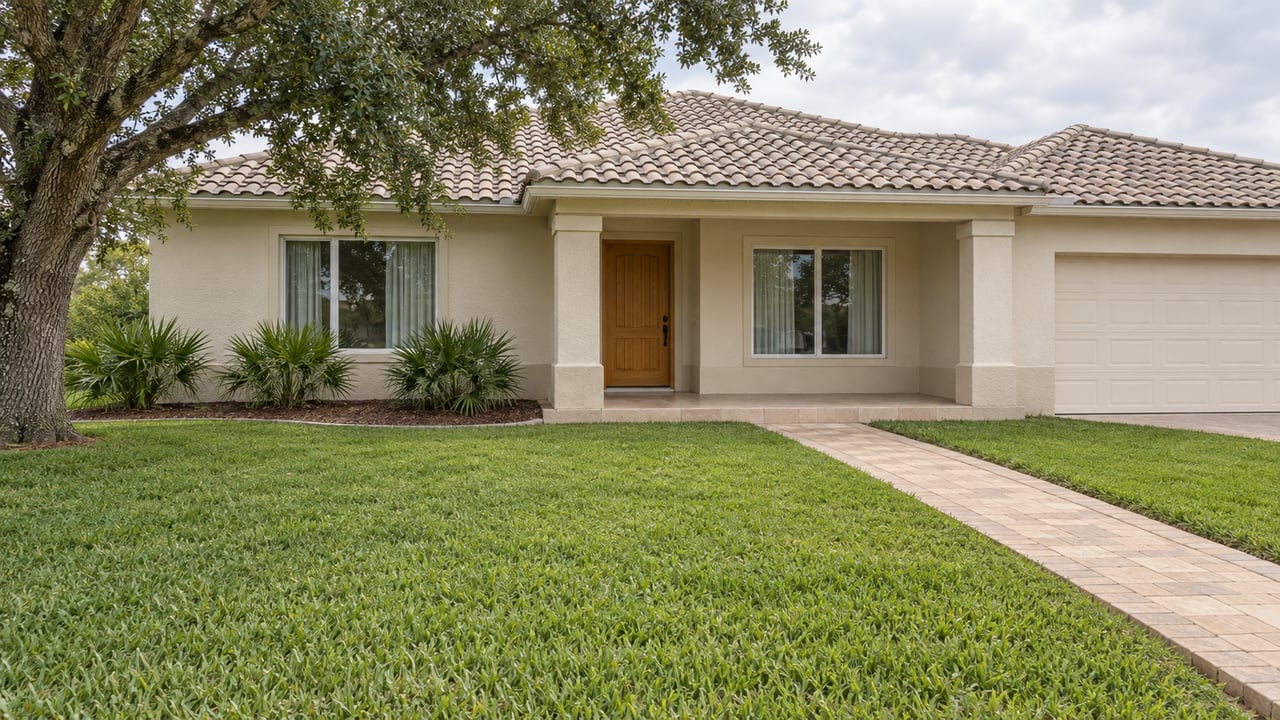
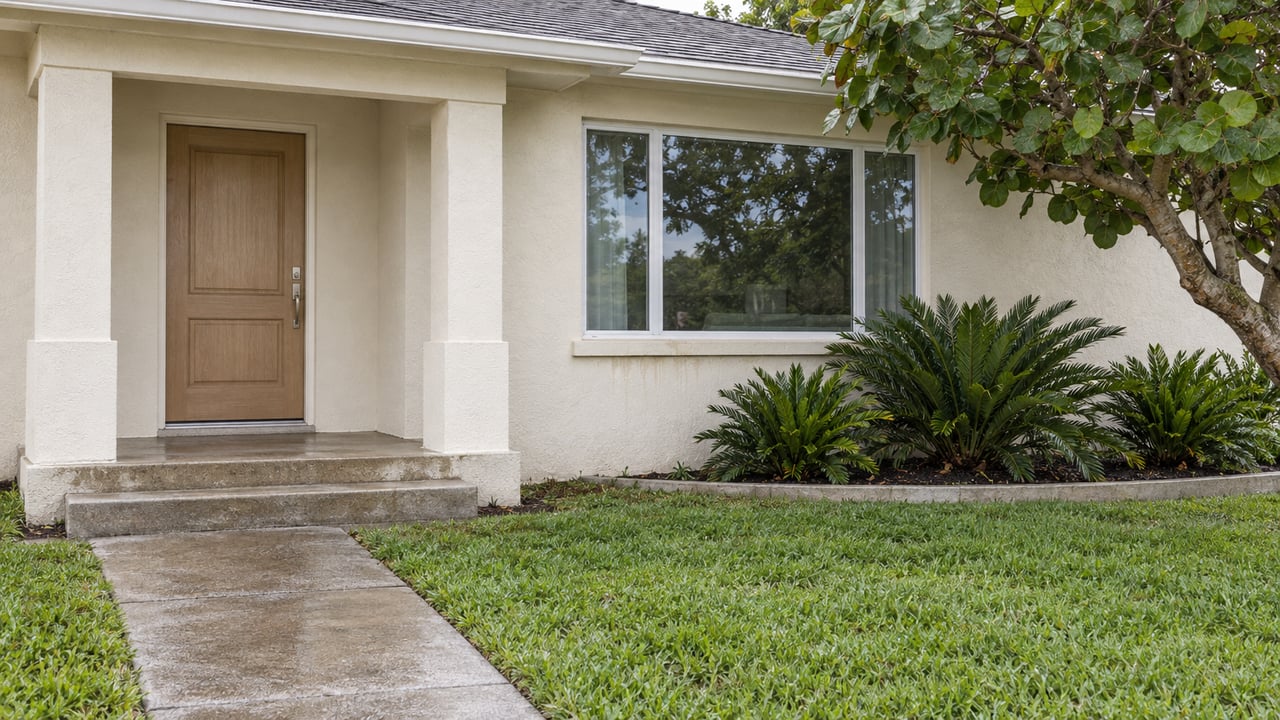
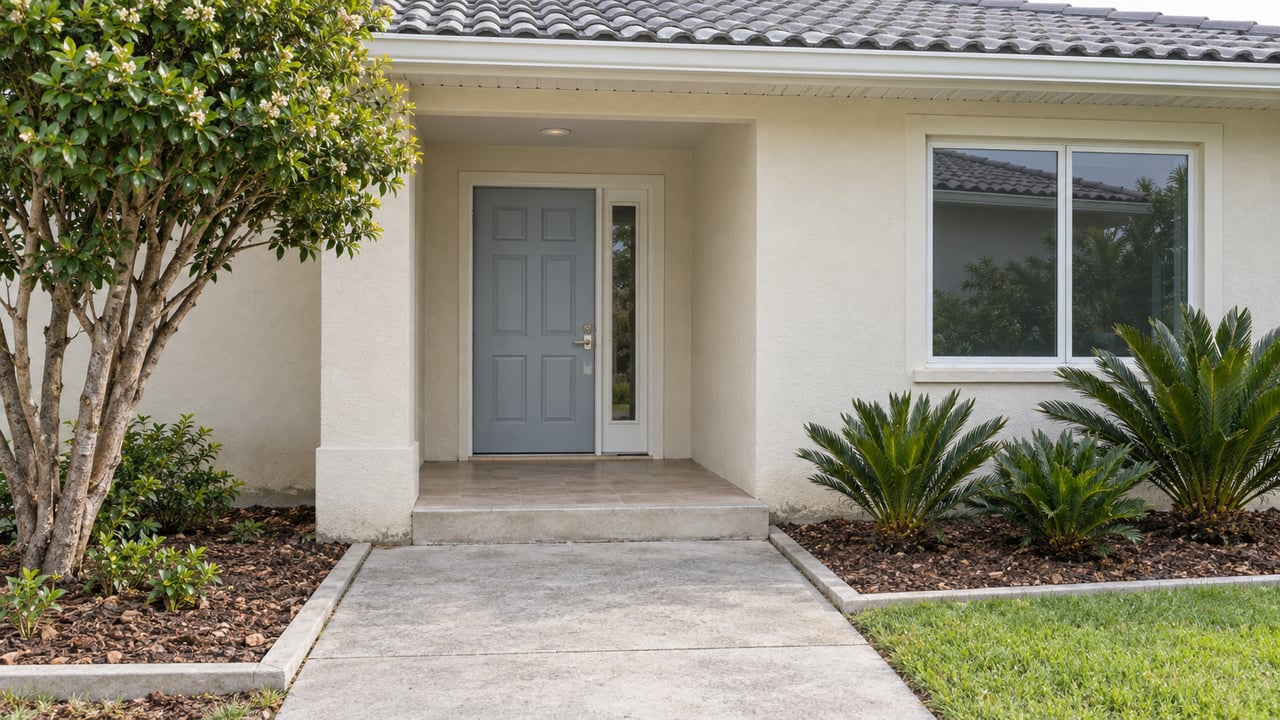
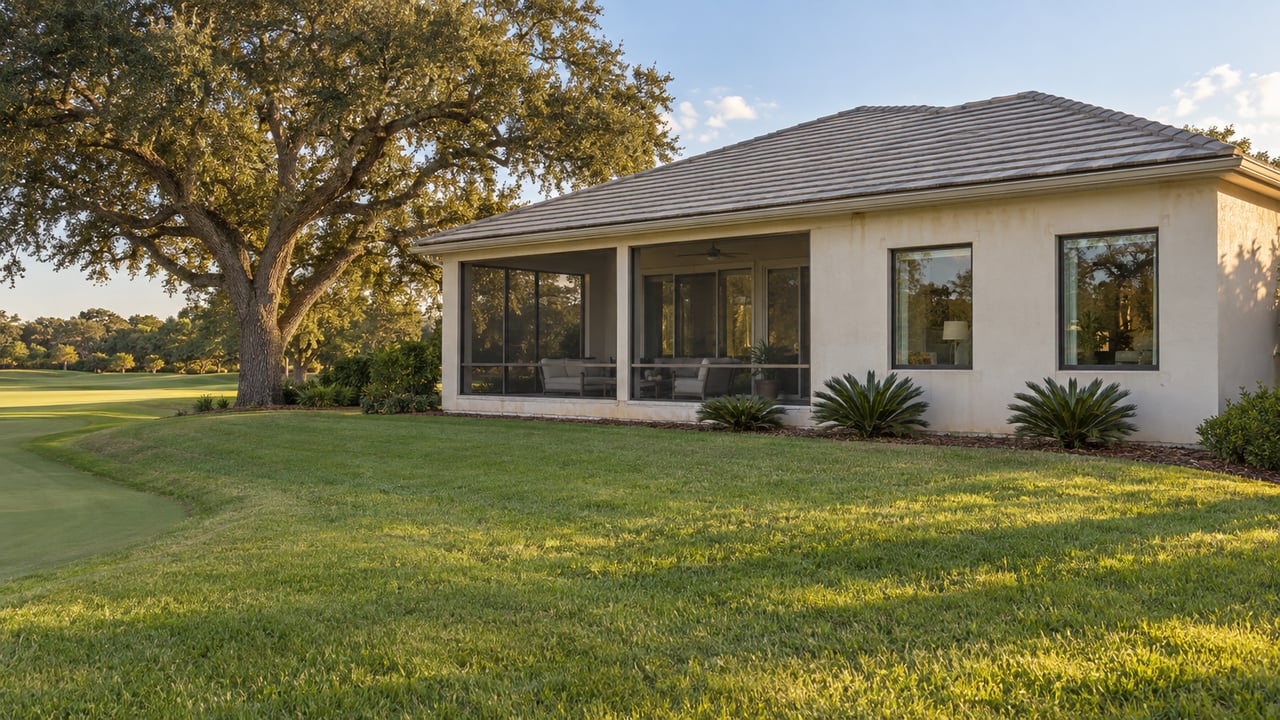
From a real estate perspective, Melbourne Beach tends to attract buyers who want an established coastal market rather than a major growth corridor. Because the town is about 99% built out and has very little vacant land, most opportunities are existing homes, low-rise condos, multifamily options, or limited remaining parcels.
That can be a plus if you value mature surroundings and a more settled feel. It also means inventory can look different from newer master-planned areas where a large share of homes may be recent construction.
If you are home shopping here, it helps to focus not just on the property itself, but also on how the location fits your daily routine. In Melbourne Beach, the block, beach access, and relationship to the lagoon or mainland commute can shape the experience as much as square footage does.
Coastal Ownership Comes With Real Considerations
The lifestyle here is relaxed, but ownership is still distinctly coastal. Flood-prone areas, dunes, and coastal building rules are part of normal life on a barrier island.
There are also seasonal practices that reflect the town’s environmental setting. Recreational beach fires are only allowed in designated fire pits from 5:00 pm to 11:00 pm during the non-turtle months of November through February, and sea turtle nesting season runs from March through November.
At night, turtle-friendly lighting matters. Seasonal lifeguard coverage at Ocean Avenue and Spessard Holland also affects how some residents and visitors use the beach throughout the year.
Who Melbourne Beach May Suit Best
Melbourne Beach often appeals to buyers who want a quieter pace without giving up strong coastal access. If you are drawn to uncrowded shorelines, established neighborhoods, and a close connection to the natural setting, this town may feel like a strong fit.
It can also work well if you like the idea of living in a more residential beach community while staying connected to the broader Space Coast. You can enjoy a low-key home base and still reach mainland services, dining, and travel access when needed.
Most of all, Melbourne Beach stands out for its balance. It offers beach living that feels grounded, practical, and rooted in place rather than built around constant activity.
If you are exploring beachside Brevard County and want help comparing Melbourne Beach with nearby communities, working with a local advisor can make the search much clearer. Whether you are relocating, buying your first beachside property, or planning your next move on the Space Coast, Amanda Gonnella can help you find the right fit.
FAQs
What makes Melbourne Beach quieter than other Space Coast beach towns?
- Melbourne Beach is mostly residential, has only a small commercial strip, and is about 99% built out, which supports a calmer, more established feel.
What can you do outdoors in Melbourne Beach?
- You can enjoy beach access, dune crossovers, surf fishing, boating, camping, nature trails, history exhibits, and community activities in local parks and gathering spaces.
What parks and beach access points are in Melbourne Beach?
- Key spots include Ocean Park, Spessard Holland South Beach Park, Long Point Park, and the Barrier Island Center at Doc Ehrhart Sanctuary near the Archie Carr National Wildlife Refuge.
Do Melbourne Beach residents need to leave town for bigger errands?
- Yes. Mainland Melbourne and Palm Bay provide much of the employment, shopping, and services residents use, so larger errands often mean driving off the island.
What types of homes are common in Melbourne Beach?
- Buyers are more likely to find existing beach houses, low-rise condos, multifamily properties, and limited undeveloped land rather than large new subdivisions.
What should buyers know about owning property in Melbourne Beach?
- Coastal ownership here can involve flood-prone areas, dunes, environmental rules, seasonal beach use practices, and turtle-friendly lighting during nesting season.